THE COLLECTION
Object(h)ing began in early 2024 and initially focused on creating a collection that highlighted the absurdity of archaic practices in medicine, exemplified in the naming of female body organs named after historic men. This first collection serves as a tool to raise awareness about how women's medical needs and experiences are often overlooked, underrepresented or misunderstood. However, the project has since taken on a life of its own and evolved into something broader, becoming accepted as an invitation for women to heal through sharing their stories.
Subsequently, Object(h)ing has developed a bold manifest to foster a supportive community by encouraging women to talk about their personal experiences within the medical system. The pieces in the collection, and the resulting conversations they spur, not only aid to dissolve the sense of isolation felt by women in their personal health journeys, but illuminate the widespread impact of the gender data gap. Each shared experience contributes to a growing body of evidence that underscores the need for change.
Ultimately, Object(h)ing aspires to close the gender data gap in medicine by making women's voices heard. Through collective storytelling, the project brings much-needed attention to the disparities in medical research and treatment, advocating for a more inclusive and equitable healthcare system, one conversation at a time.

Gabriele Falloppio, 1522 - 1562. (Fallopian tubes)
Cast dried flowers, wax, bronze
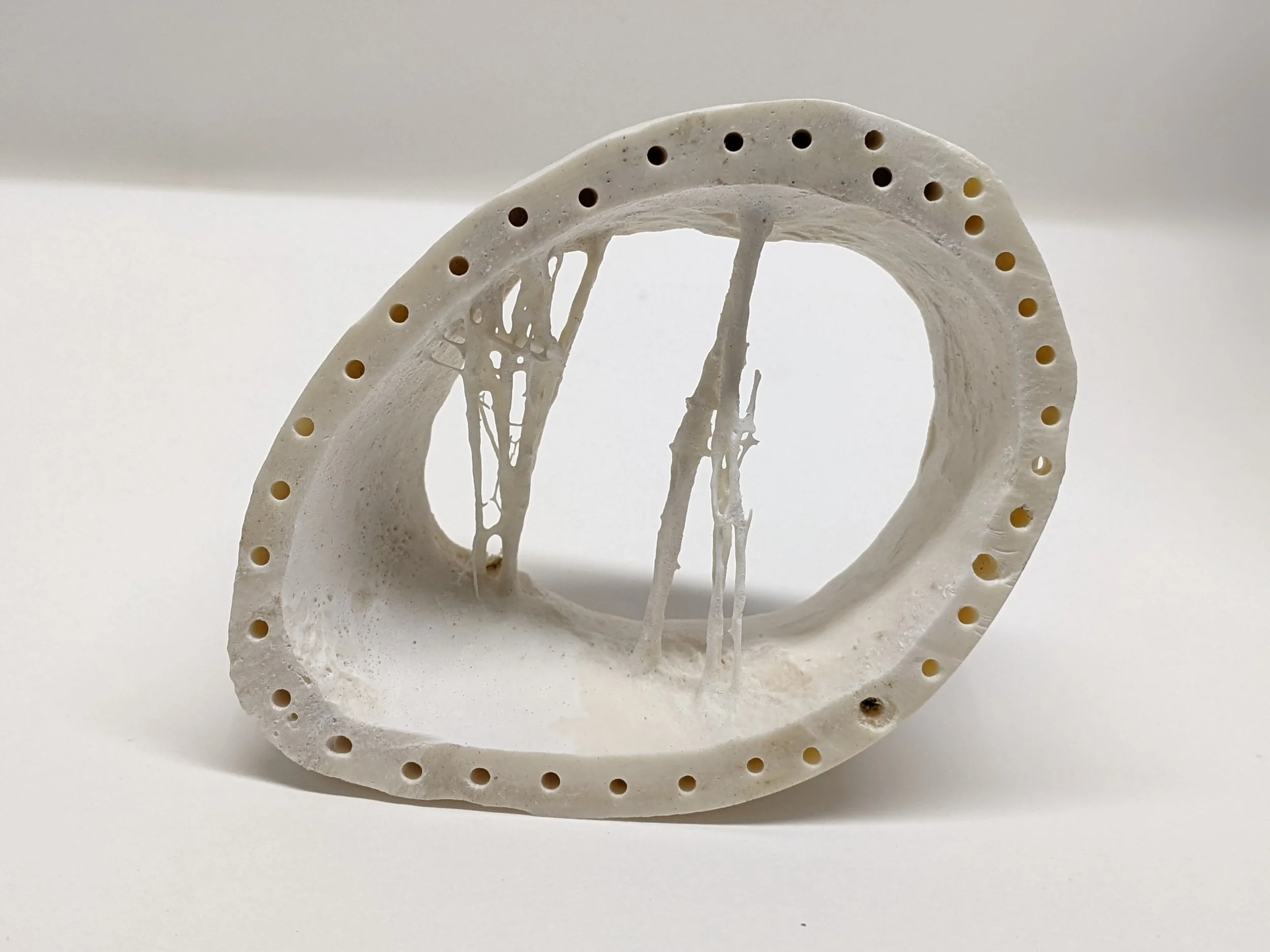
Regnier De Graaf, 1641 - 1673. (Graffian Follicles)
Bovine bone carving
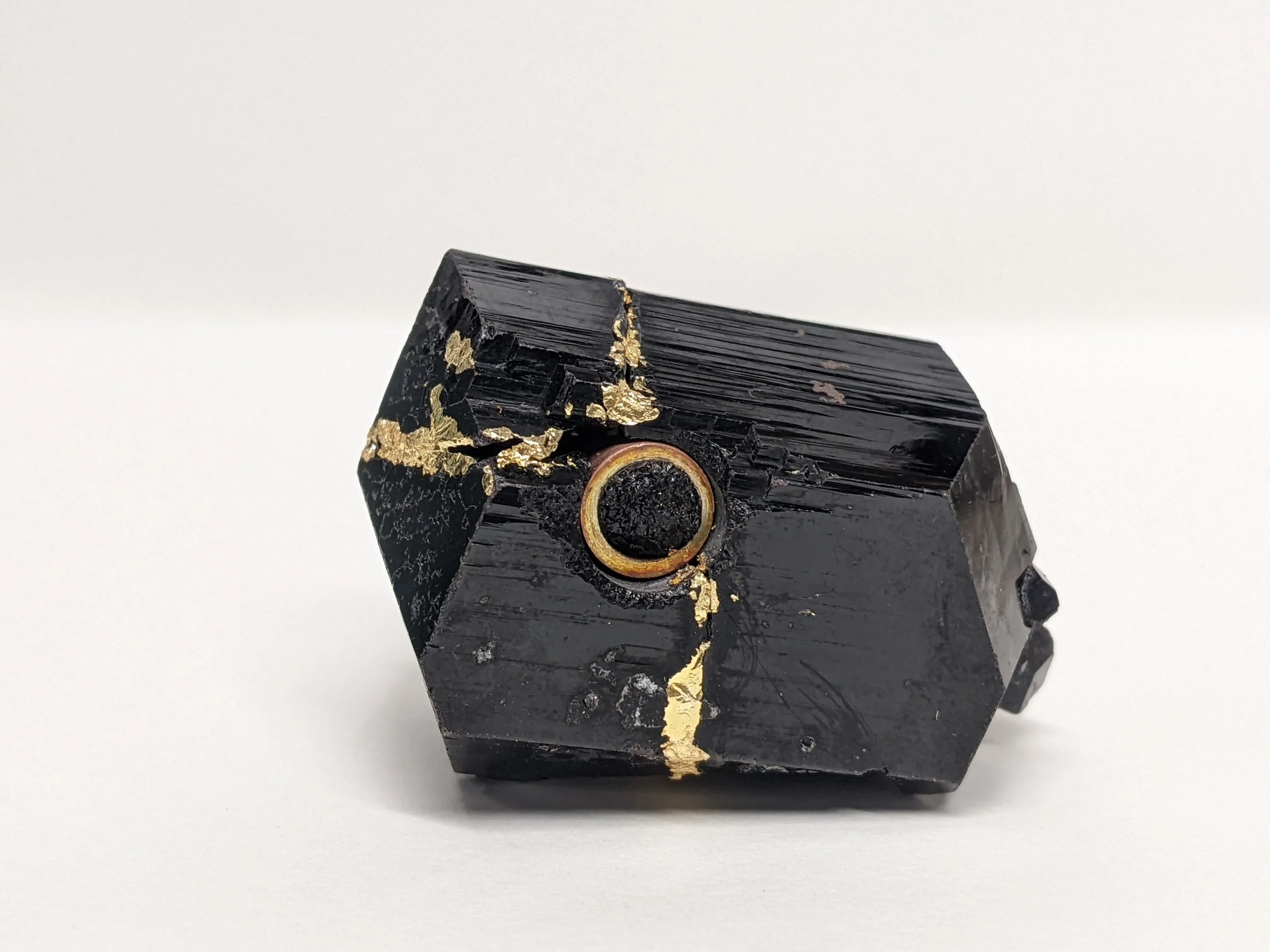
Herman Treschon Gartner, 1785 - 1827. (Gartner's Ducts)
Copper tubing, gold leaf, Obsidian
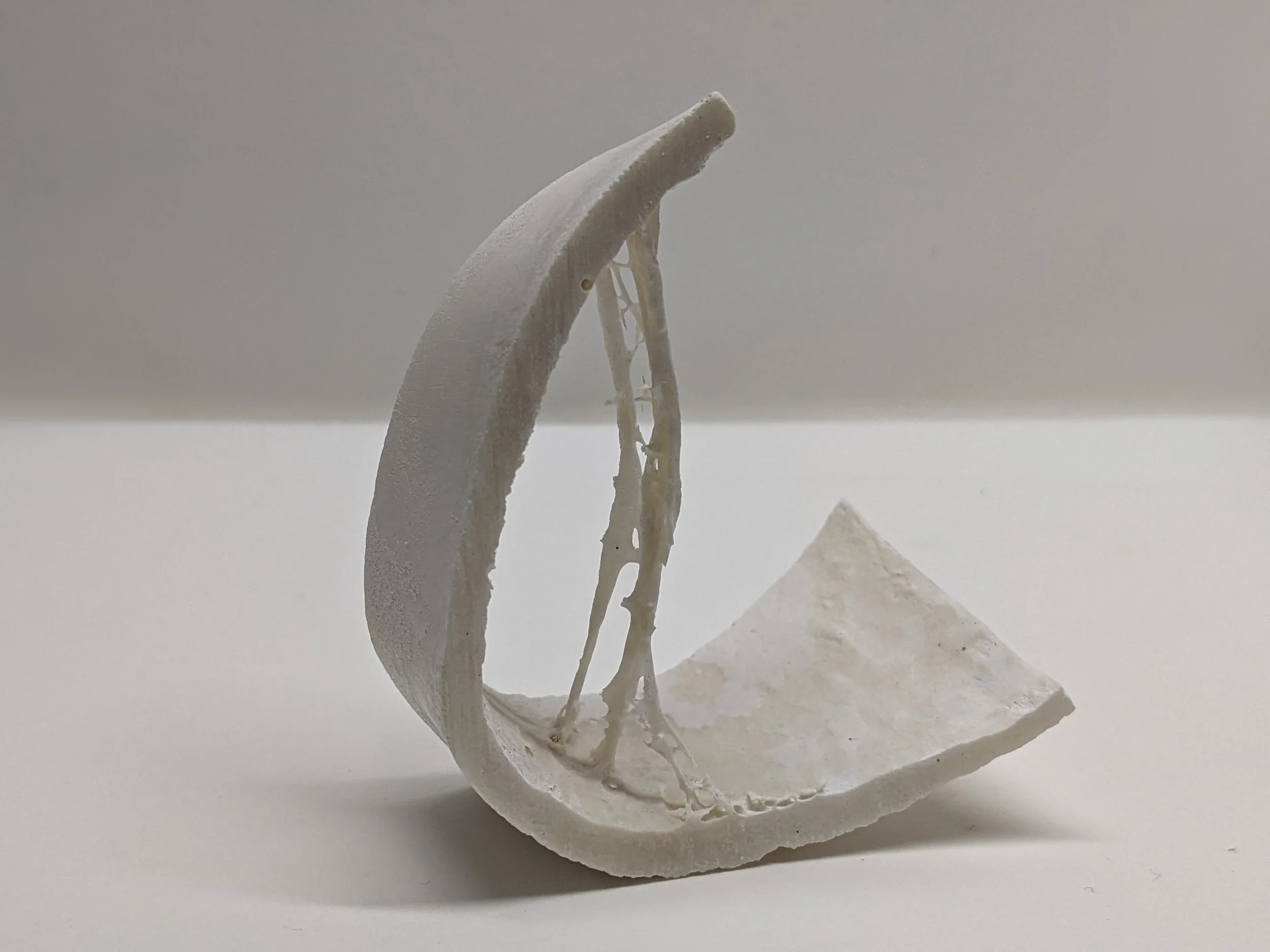
Joseph Von Halban, 1870 - 1937. (Halban's Fascia)
Bovine bone carving
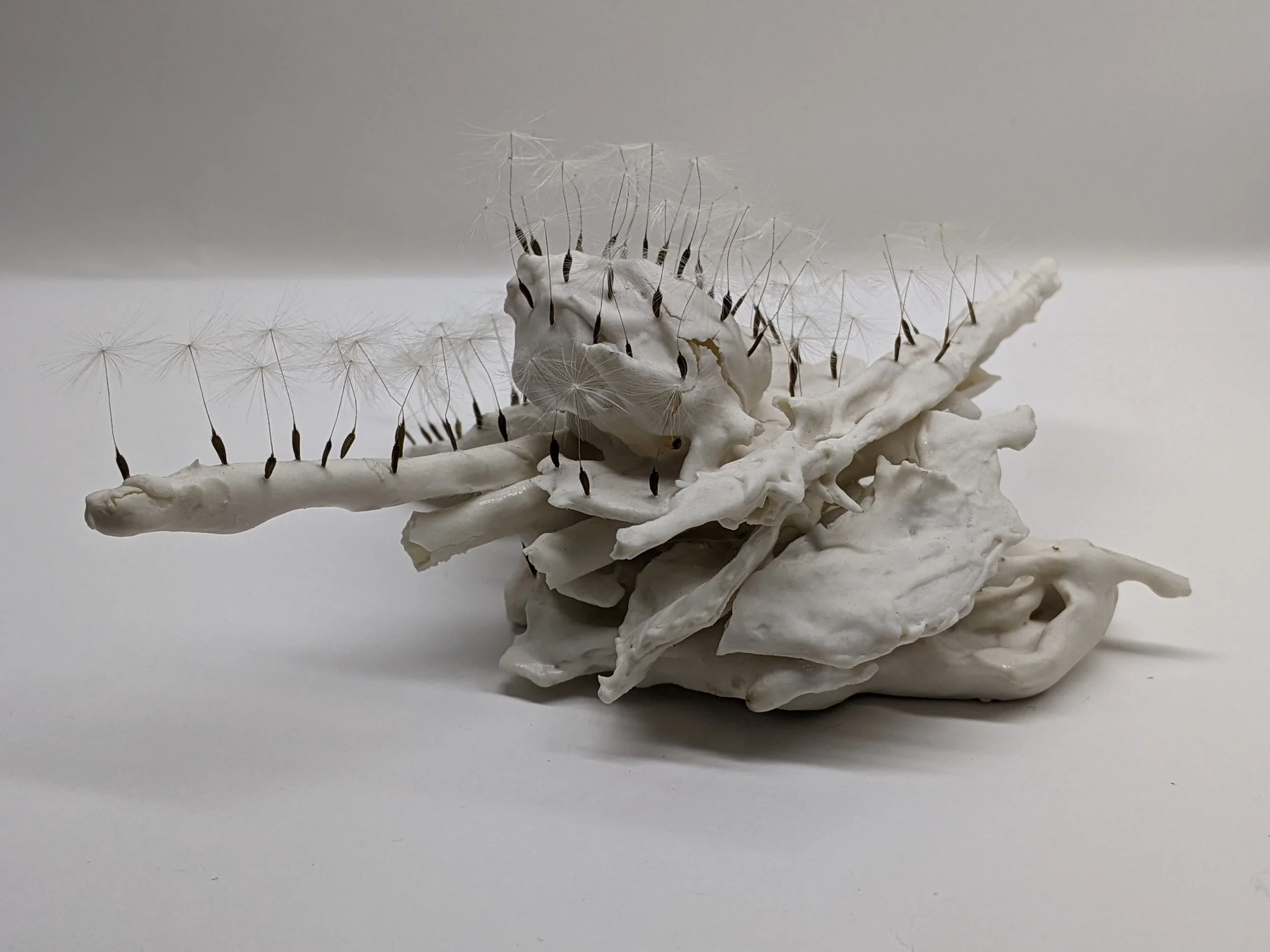
John Braxton-Hicks, 1823 - 1897. (Braxton-Hicks contractions)
Porcelain, Dandelion seeds
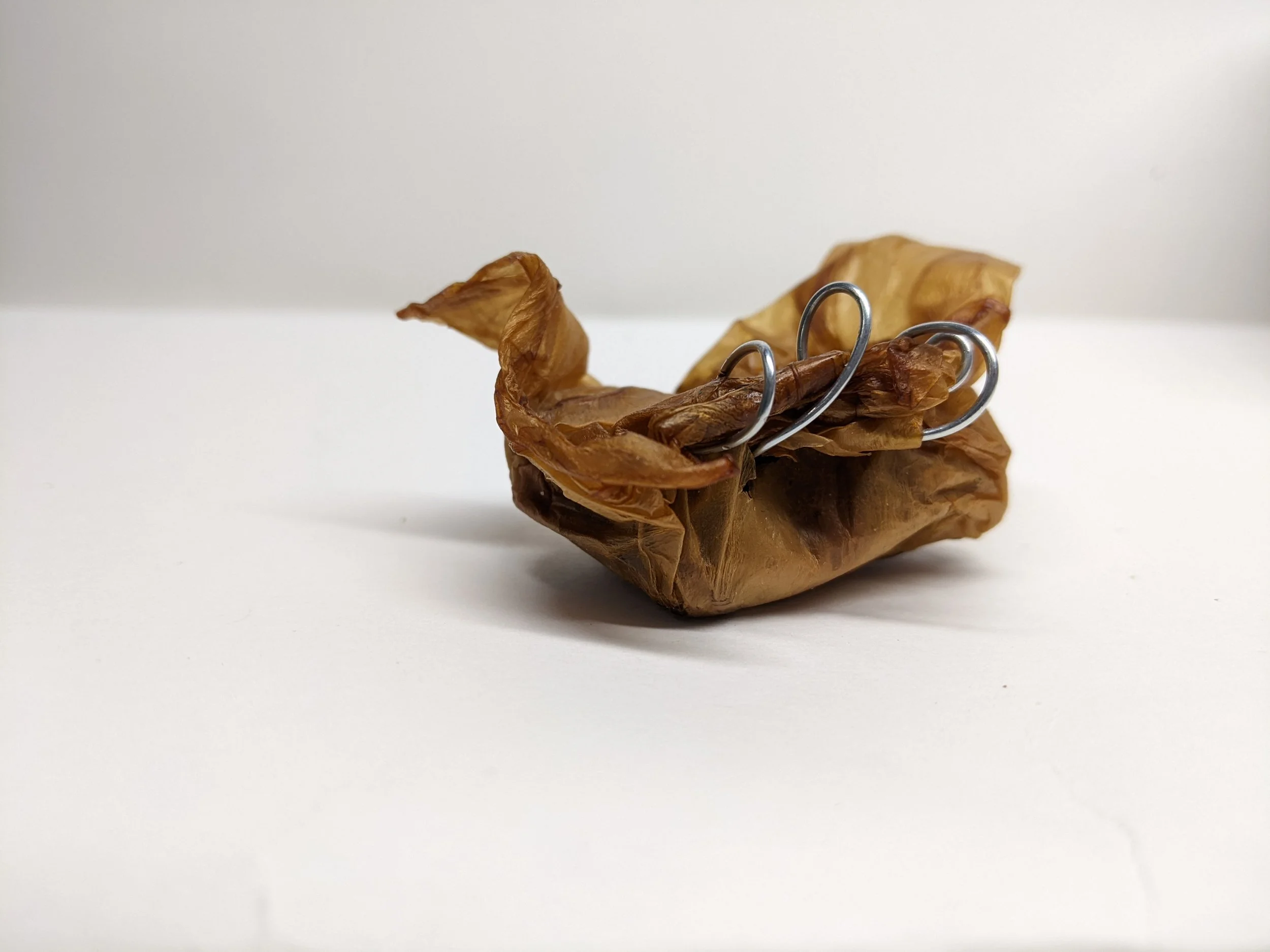
James Douglas, 1675 - 1742. (Pouch of Douglas)
Kombucha scoby, steel wire
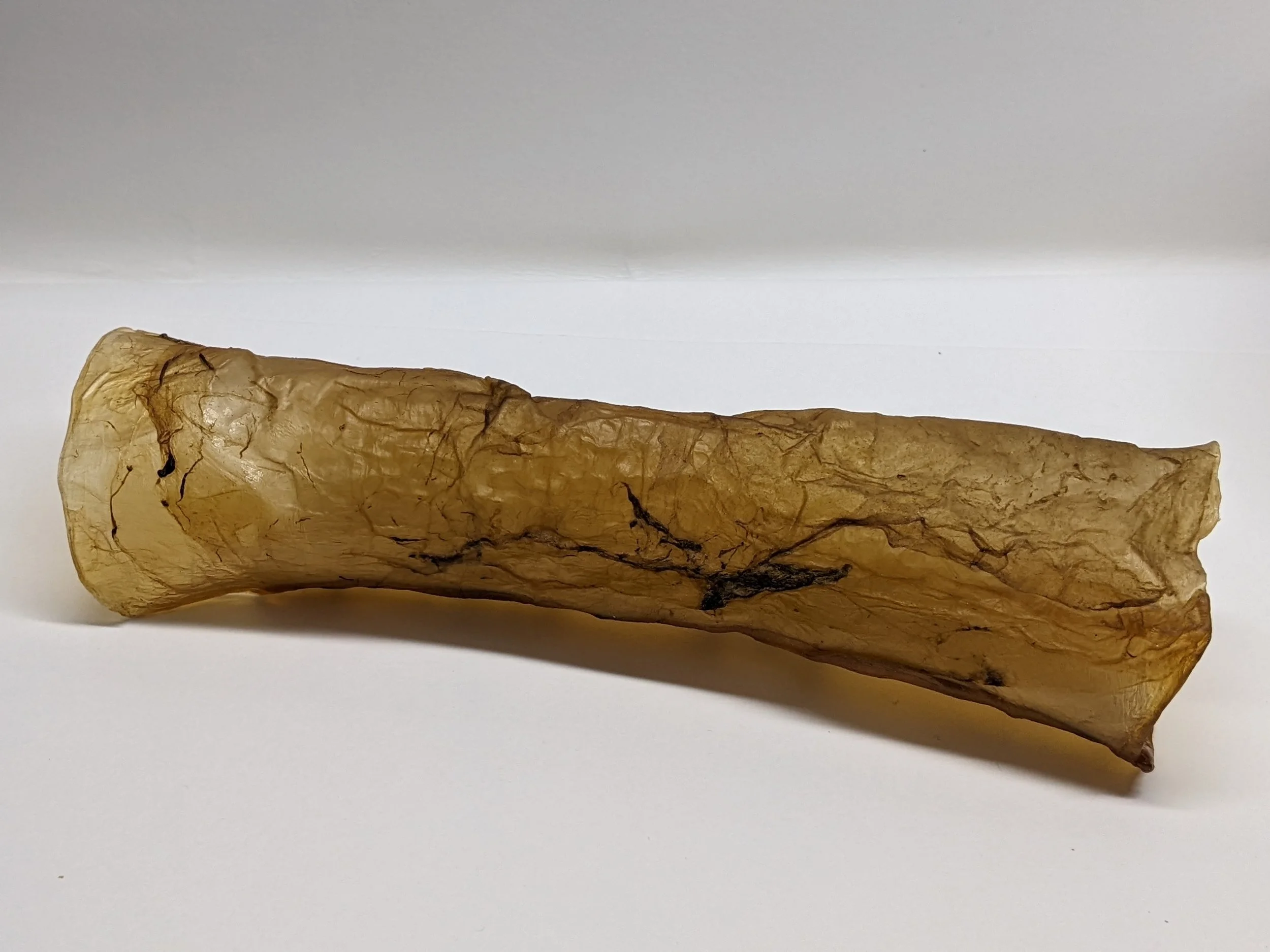
George Kobelt, 1804 - 1857. (Venous Plexis of Kobelt)
Kombucha scoby
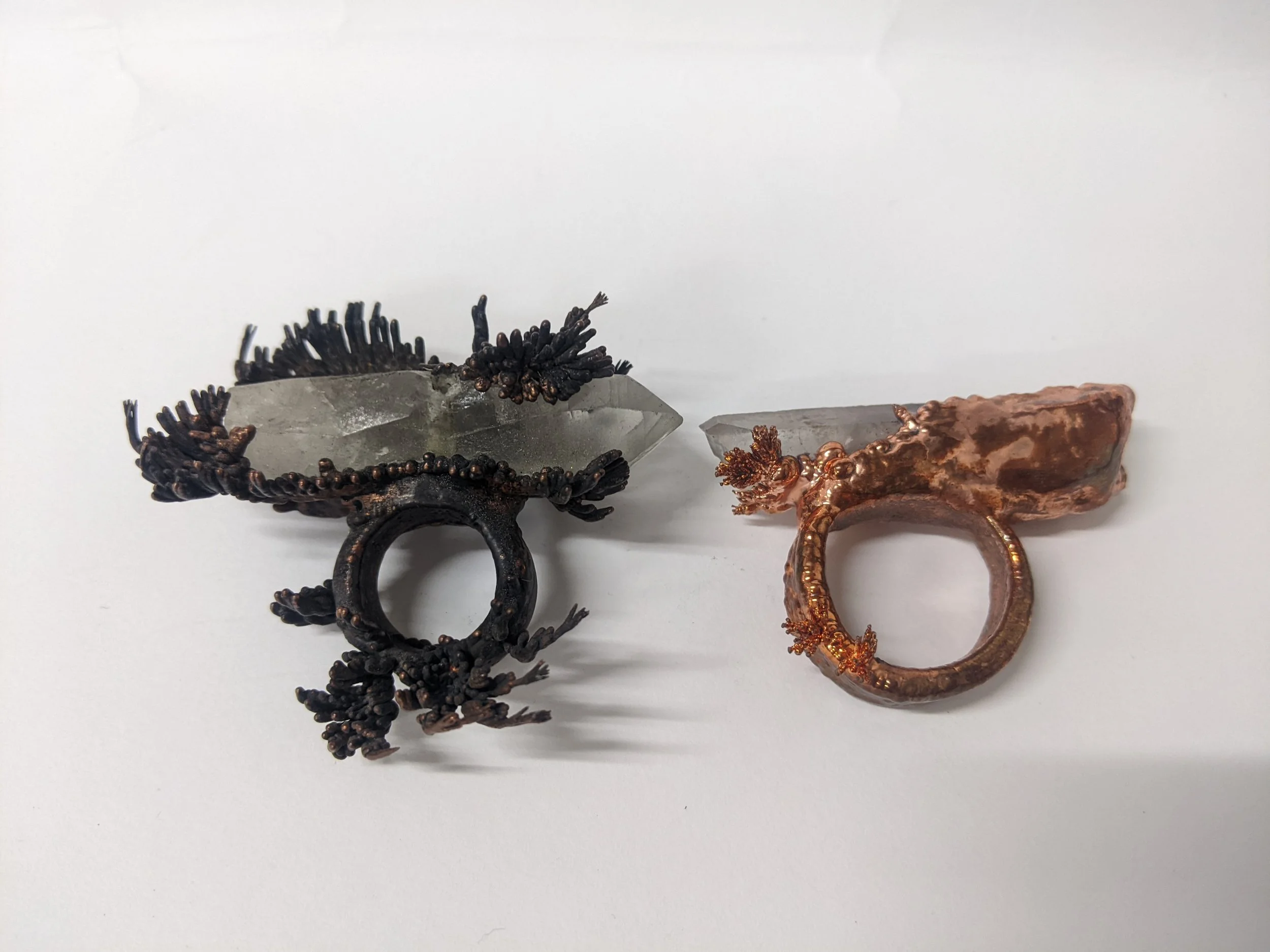
Hymenaeus, Prehistory. (Hymen)
Electroforming, Clear quartz
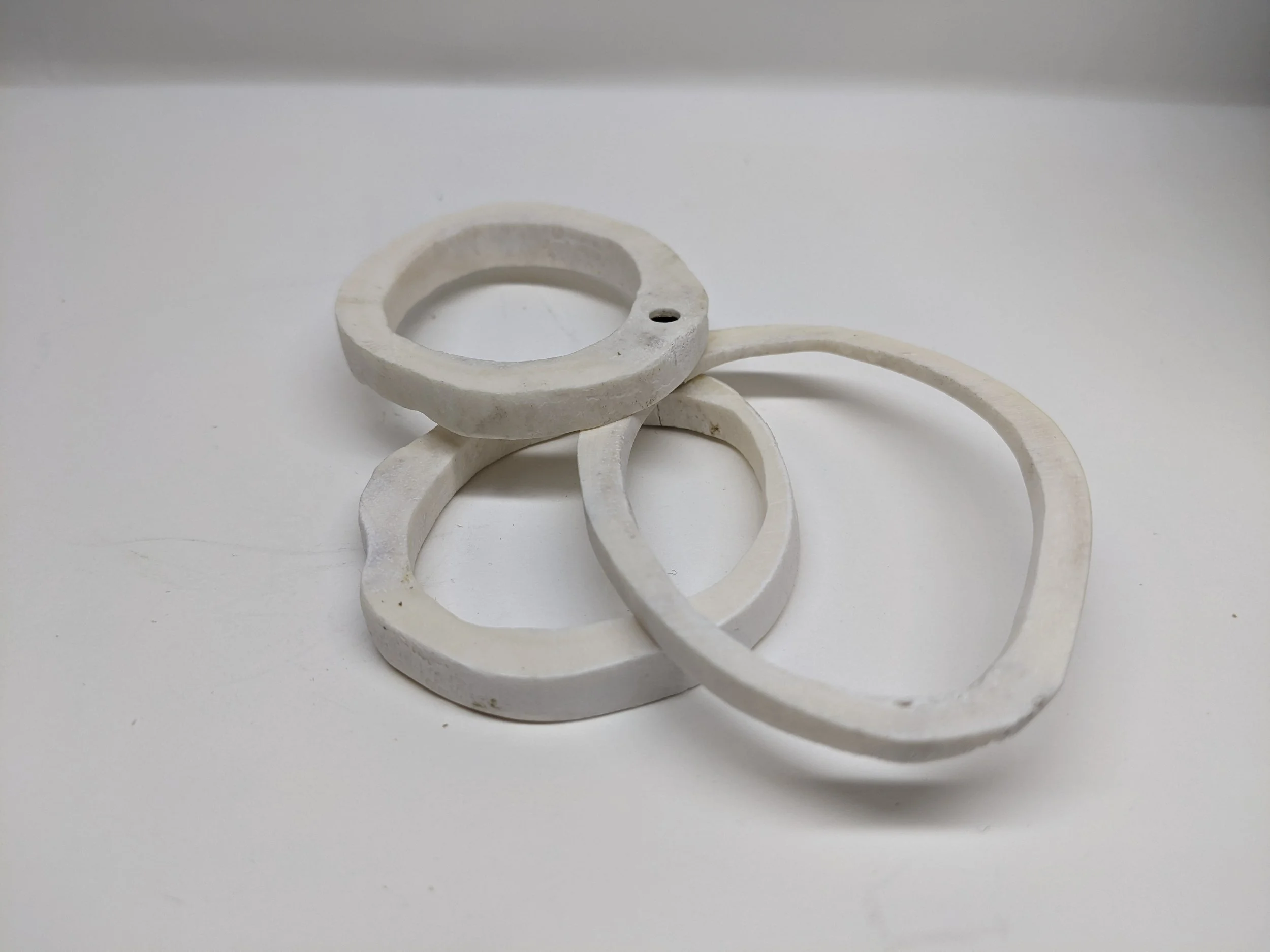
Giovanni Battista Morgagni, 1682 - 1771 (Hydatid of Morgagni)
Bovine bone carving, copper tubing
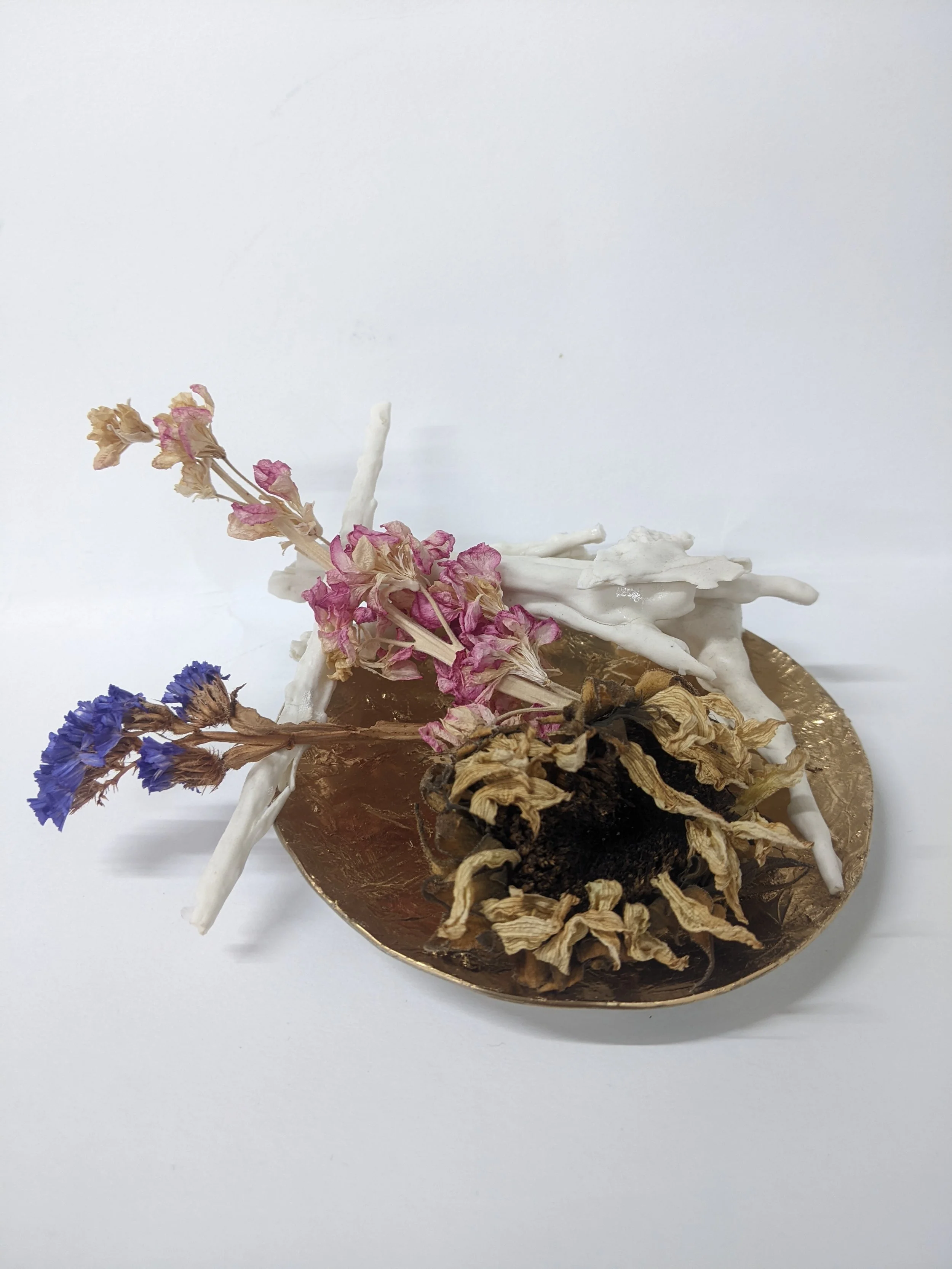
Ernst Gräfenberg, 1881 - 1957 - (The Grafenberg Spot or The ‘G’ Spot)
Porcelain, dried flowers, pewter, gold leaf
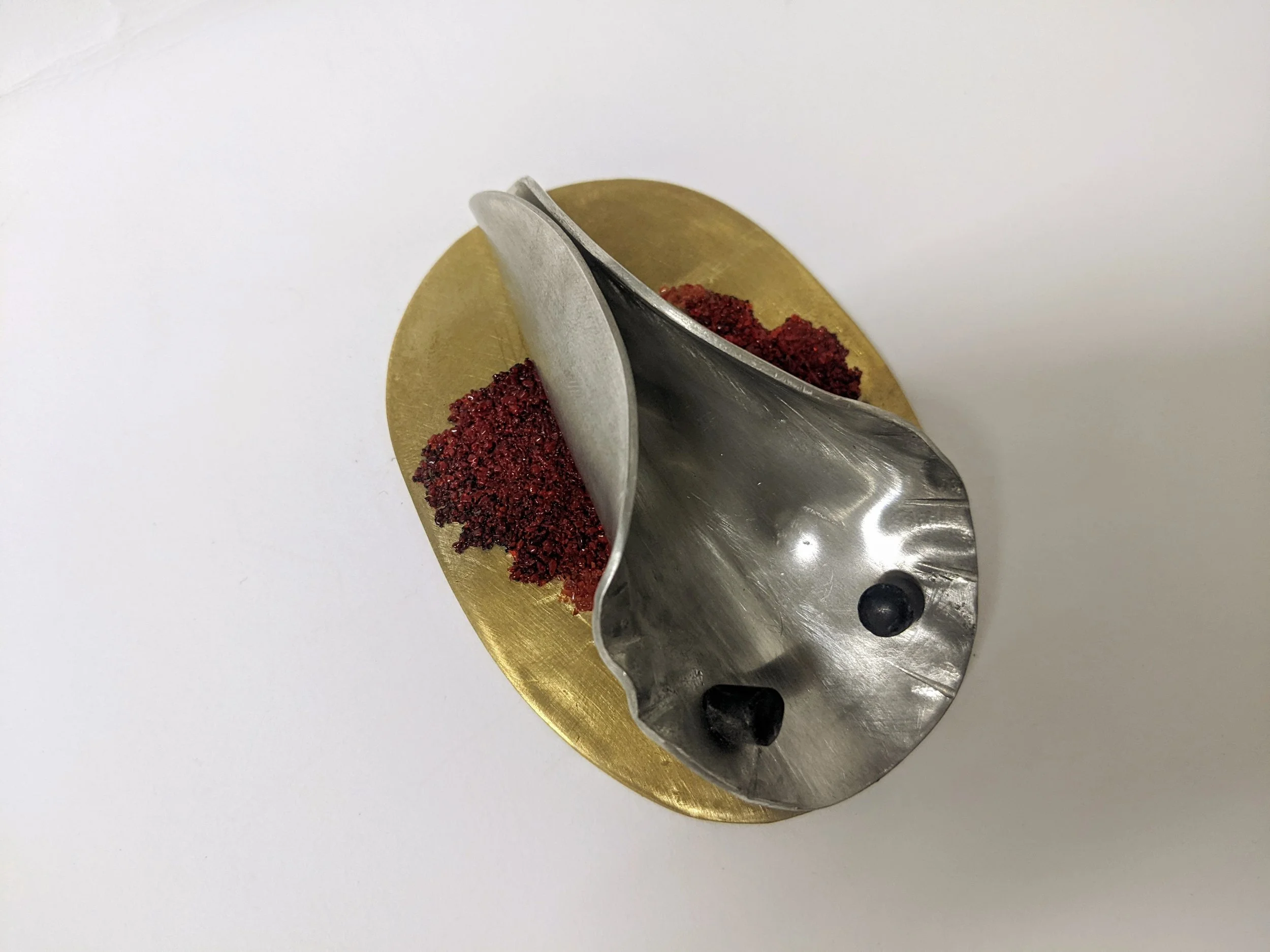
Caspar Bartholin the Younger, 1655 - 1739. (Bartholin's Gland)
Pewter, glass frit, obsidian, brass